The 35mm Leica CL Camera: A Compact Classic with Legendary Heritage

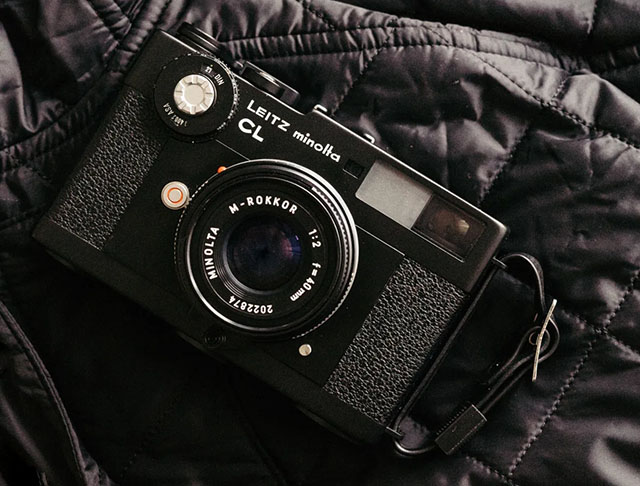
The Leica CL is a remarkable 35mm film camera that holds a special place in the hearts of photography enthusiasts and collectors alike. Introduced in 1973 as a collaboration between Leica and Minolta, the CL was designed to offer the renowned Leica quality and precision in a compact, lightweight body. It combined Leica’s legendary craftsmanship with Minolta’s technological expertise, resulting in a unique rangefinder camera that was both accessible and capable.
Design and Build
The Leica CL features a minimalist, robust design that reflects Leica’s timeless aesthetic. Its compact size and light weight made it an ideal choice for photographers seeking a portable yet high-performance camera. The body was constructed with durable metal, giving it a solid feel without unnecessary bulk. The camera’s controls were straightforward and user-friendly, with a shutter speed dial, aperture ring on the lens, and a simple viewfinder that included frame lines for 40mm, 50mm, and 90mm lenses.
Rangefinder System
At the heart of the Leica CL is its rangefinder focusing mechanism, a hallmark of Leica cameras. The rangefinder allowed for precise manual focusing by superimposing two images in the viewfinder, which the photographer aligned to achieve sharp focus. Although the CL’s rangefinder was smaller and had a shorter baseline compared to Leica’s flagship M series cameras, it was still highly accurate and suitable for everyday photography.
Lens Compatibility
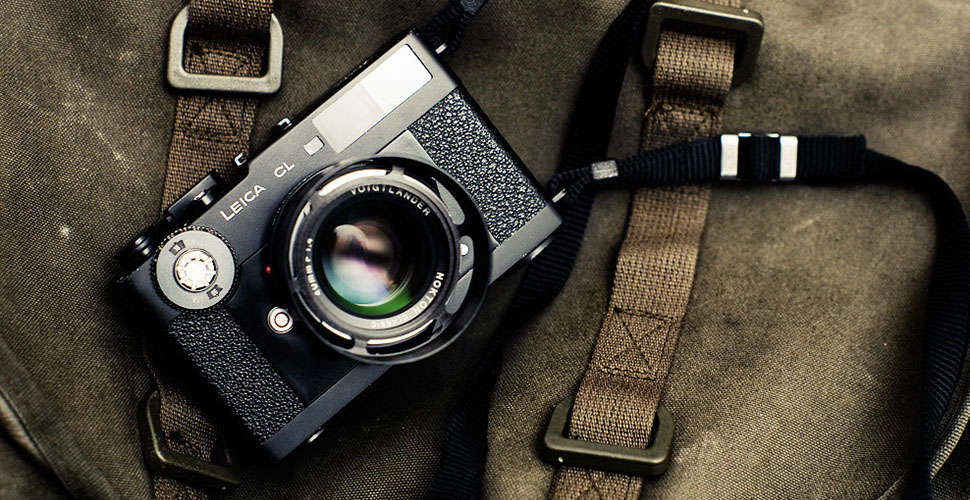
One of the standout features of the Leica CL was its compatibility with Leica M-mount lenses. Photographers could use a wide variety of high-quality Leica lenses, giving them creative flexibility and access to some of the best optics available. The standard lens bundled with the CL was the Leica 40mm f/2 Summicron-C, a compact and sharp lens that complemented the camera’s portability.
Exposure and Metering
The Leica CL was equipped with a built-in light meter, a feature that was still relatively rare in rangefinder cameras at the time. The meter used a CdS (cadmium sulfide) cell and provided through-the-lens exposure readings, helping photographers achieve accurate exposures without external meters. The exposure was adjusted manually by the photographer, making the CL a fully mechanical camera that did not rely on batteries for shutter operation—only the meter required a battery.
Legacy and Collectibility
Though the Leica CL was produced for a relatively short period (from 1973 to 1976), it left a lasting impression. Its combination of Leica’s optical excellence, compact design, and affordability compared to the M series made it popular among enthusiasts and travelers. Today, the Leica CL is considered a classic collector’s item, prized for its historical significance and enduring performance.
In the digital age, the Leica CL remains a beloved film camera for those who appreciate the tactile experience of manual photography and the unique qualities of 35mm film. Its blend of precision engineering, portability, and Leica’s heritage ensures that the Leica CL continues to inspire photographers around the world.
0 comments
Please sign in to leave a comment.