Gravel Biking: The Ultimate Adventure on Two Wheels

In recent years, gravel biking has surged in popularity, captivating cyclists who crave adventure beyond paved roads. Combining elements of road cycling, mountain biking, and bikepacking, gravel biking offers a versatile and exhilarating way to explore diverse terrains—from rural backroads and forest trails to rugged gravel paths and dirt tracks. This emerging cycling discipline invites riders of all levels to experience the freedom of the open road with the added thrill of off-pavement exploration.
What Is Gravel Biking?
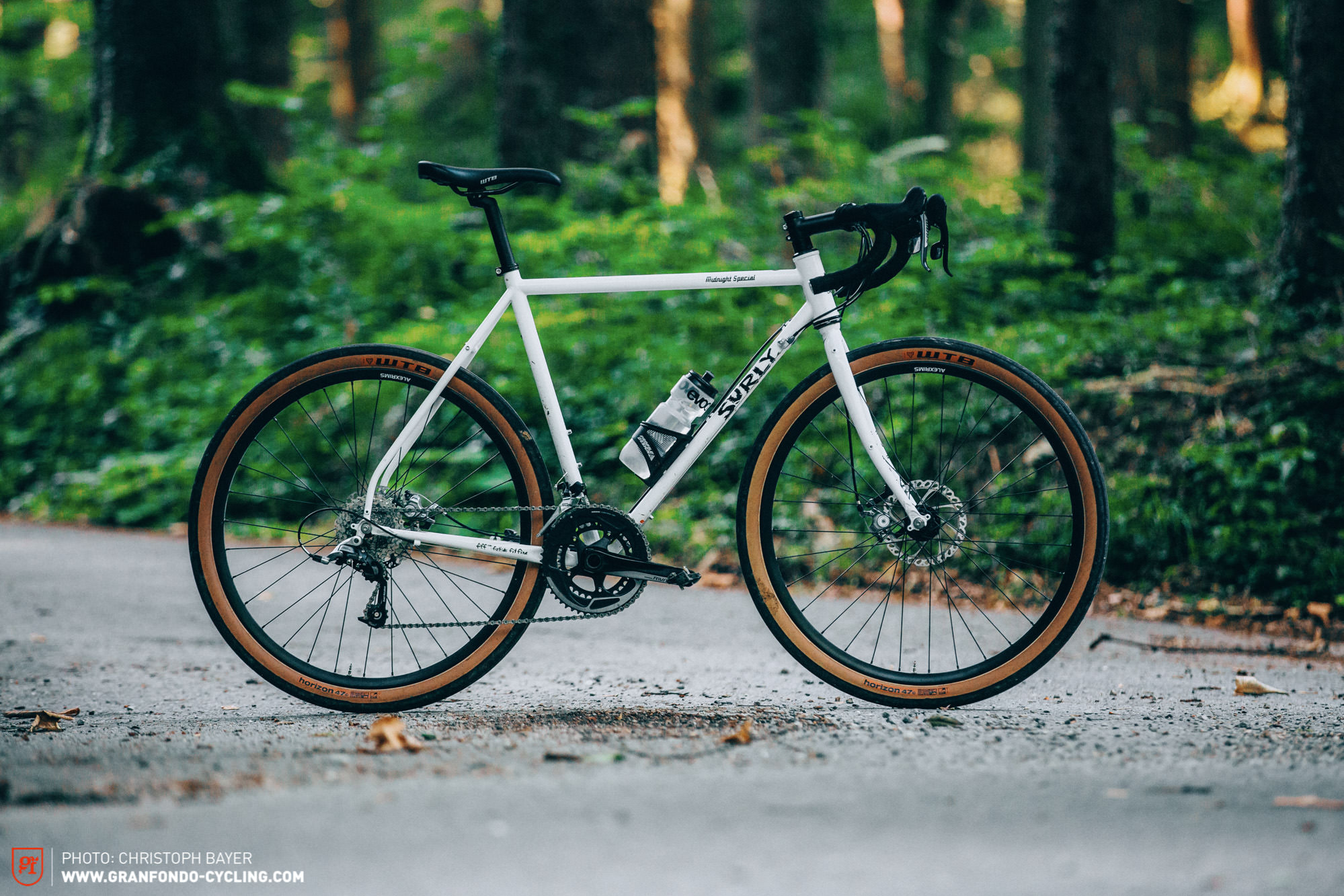
Gravel biking revolves around riding bikes specially designed to handle a wide variety of surfaces, primarily unpaved gravel roads. Unlike traditional road bikes built for smooth asphalt or mountain bikes optimized for technical trails, gravel bikes strike a balance. They feature wider tires with knobby or semi-slick tread, relaxed geometry for comfort over long distances, and robust frames that can withstand rough terrain and carry extra gear.

The Bikes
Gravel bikes typically resemble road bikes but come with key adaptations:
- Tire Clearance: Gravel bikes accommodate wider tires (usually 35mm to 45mm or more), which provide better traction and cushioning on loose surfaces.
- Geometry: The frame geometry is more relaxed than a racing road bike, offering stability and comfort on uneven terrain.
- Mounting Points: Multiple mounts for water bottles, racks, and bags make gravel bikes ideal for long rides and bikepacking adventures.
- Brakes: Most gravel bikes use disc brakes for reliable stopping power in all conditions, including mud and rain.
Why Gravel Biking?
Gravel biking appeals to cyclists for several reasons:
- Adventure and Exploration: Gravel routes often lead to scenic, less-traveled areas where riders can enjoy nature, away from traffic and crowds.
- Versatility: Gravel bikes can handle paved roads, dirt trails, and everything in between, making them perfect for mixed-surface rides.
- Community and Events: Gravel cycling has fostered a welcoming community and spawned numerous events and races worldwide, such as the Dirty Kanza (now Unbound Gravel) in Kansas and the Grinduro in California.
- Fitness and Challenge: Riding on gravel demands good bike handling skills and physical endurance, providing a rewarding challenge.
Popular Gravel Riding Styles
- Day Rides: Casual or fitness-focused rides on local gravel roads or trails.
- Bikepacking: Multi-day trips combining gravel riding with camping and self-supported travel.
- Gravel Racing: Competitive events ranging from short criteriums on gravel to ultra-endurance races covering hundreds of miles.

Tips for Getting Started
- Choose the Right Bike: While you can start gravel riding on a mountain or cyclocross bike, a dedicated gravel bike offers the best blend of comfort and performance.
- Prepare for Terrain: Wider tires with appropriate tread and lower tire pressure improve grip and comfort.
- Pack Smart: Carry essentials such as tools, spare tubes, hydration, food, and weather-appropriate clothing.
- Practice Skills: Gravel riding requires balance, bike handling, and the ability to navigate loose surfaces safely.
The Future of Gravel Biking
Gravel biking continues to grow rapidly, influencing bike manufacturers to innovate in frame materials, tire technology, and gear designed specifically for this niche. As more riders seek the joy of discovery and the challenge of varied terrain, gravel biking promises to remain a dynamic and inclusive part of the cycling world.
Whether you’re a seasoned cyclist looking for a new adventure or a beginner eager to explore the outdoors, gravel biking offers an exciting way to connect with nature, test your limits, and enjoy the ride. So grab your bike, hit the gravel, and discover where the road less traveled can take you.
0 comments
Please sign in to leave a comment.